

Inside Miami’s New Capital Advisory Platform for Real Estate Finance
Miami’s development pipeline remains active, but the way projects are financed has changed more meaningfully than the skyline itself. Lenders are more conservative, equity is more selective, and foreign capital now demands a level of structure, governance, and transparency that was largely unnecessary just a few years ago.
In today’s environment, projects rarely stall because real estate is weak. They stall because the capital stack is misaligned with the current risk profile. That shift has elevated the importance of advisors who operate in the middle of the capital table, bridging sponsors under pressure to execute with investors focused on capital preservation and downside protection.
The WD Capital Approach
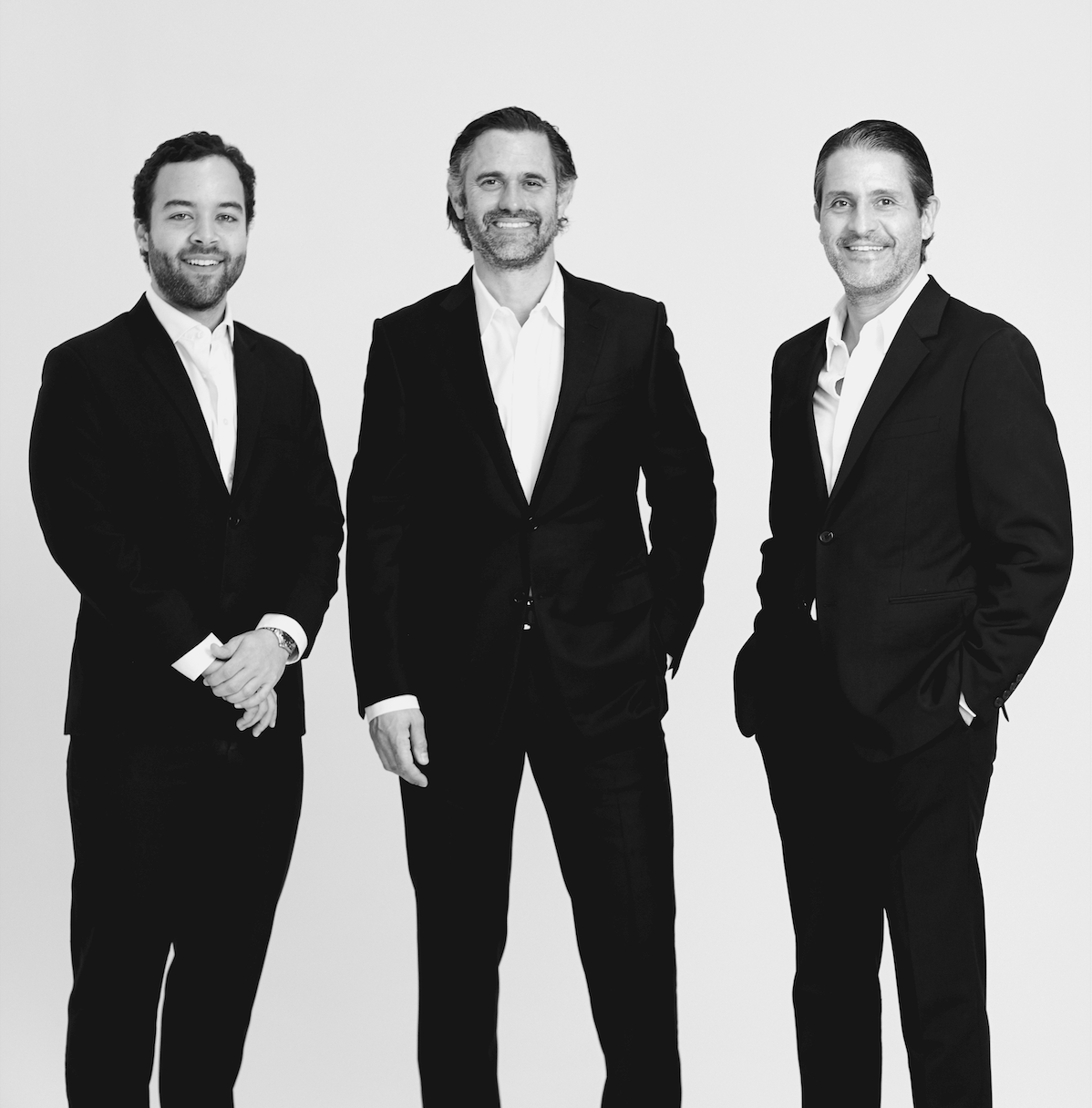
WD Capital Group, has emerged as a go-to structured financial advisor for Sponsors navigating this more disciplined market.
- Rather than pushing maximum proceeds at any cost, the firm focuses on durability and execution certainty. Its work centers on:
- Designing capital stacks that can withstand higher rates, longer timelines, and deeper underwriting scrutiny.
- Sequencing senior debt, preferred equity, common equity, and alternative capital so each tranche is clearly defined and properly priced.
- Aligning governance, controls, and downside protections so lenders, investors, and sponsors remain aligned as conditions evolve.
“In this market, capital is cautious by design,” said Emile Schachter. “We spend less time chasing leverage and more time engineering capital stacks designed to perform across higher rates, longer timelines, tighter underwriting standards, and, most importantly, to close.”
Where Deals Are Breaking
On the surface, capital targeting Miami remains abundant. Domestic funds, family offices, institutional lenders, and foreign investors continue to seek South Florida exposure. In practice, however, many transactions are slowing or stalling due to:
- Overly aggressive assumptions on rents, absorption, or exit cap rates.
- Weak or outdated entitlement, zoning, or construction assumptions.
- Capital stacks overly dependent on a single capital source or mispriced risk.
Bridging Developers and Capital
Industry participants describe WD Capital’s role as closer to a capital partner than a traditional advisor. The firm spends as much time stress-testing assumptions, documentation, and execution risk as it does sourcing fully vetted term sheets.
“In complex projects, the differentiator is having a capital partner who understands both the financial framework and on-the-ground realities,” said Fernando de Núñez y Lugones of Vertical Developments. “WD Capital brought capital-markets structure and transaction-level discipline throughout the process.”
That work often includes:
- Pressure-testing business plans against zoning, entitlement, and permitting realities.
- Reframing projects to align with current lender and equity mandates.
- Recapitalizing or resequencing deals originally structured for a very different rate environment.
EB-5 and Foreign Capital as One Tool, Not the Thesis
Foreign capital, including regulated programs such as EB-5, remains an important component of Miami’s capital ecosystem. However, it now functions as part of a broader, more institutional capital stack rather than defining the transaction.
WD Capital approaches EB-5 and other foreign capital with a pragmatic lens, focusing on:
- When EB-5 meaningfully improves the capital structure, and when it introduces unnecessary complexity.
- How to integrate it alongside senior lenders and institutional equity without misaligning timelines or governance.
- Ensuring regulatory compliance and investor reporting meet increasingly sophisticated - LP and lender standards.
A Market Defined by Scrutiny
As Miami continues its evolution into a more institutional market, sponsors are increasingly judged not just by the sites they control, but by the discipline and credibility of the capital behind them. Advisors who understand credit committees, LP sensitivities, and local development risk are becoming as critical as access to capital itself.
In a cycle defined by scrutiny rather than exuberance, the projects that move forward will not be the most aggressive on leverage or projections. They will be the ones structured to endure, and the firms capable of aligning capital and risk credibly will determine which Miami stories ultimately get built.
Andrea Romero
Kreps PR & Marketing
email us here
Legal Disclaimer:
EIN Presswire provides this news content "as is" without warranty of any kind. We do not accept any responsibility or liability for the accuracy, content, images, videos, licenses, completeness, legality, or reliability of the information contained in this article. If you have any complaints or copyright issues related to this article, kindly contact the author above.
